This chatbot is implemented as a project in Natural Language Processing with Professor Fabio Tamburini. Betulla is the chatbot for the Museum and Archeological Site of Isernia La Pineta. It gives logistical and historical information about the museum.
Find Out More
Betulla is a testable Dialogflow chatbot integrated within the website. Using AI technologies, it is able to interact with humans having a conversation about the pivotal aspects concerning the National Paleolithic Museum of Isernia.
The initial idea was to grasp the potentiality of an artificial assistant for improving the experience of the user in the italian cultural heritage domain. I immediately thought that choosing a museum of my hometown Isernia as a reference could be interesting both to give prominence to its archeological history and also to exploit artificial intelligence in an unusual environment.
It has been trained with the purpose of informing the visitors about the important archeological heritage stored within the museum and also in the common practice, for chatbots, of suggesting logistical information to users and making their interaction with the institution as easy as possible.
This chatbot is named Betulla and was implemented on the Dialogflow platform, in English and Italian languages. For handling the multilanguage chatbot and being able to switch automatically from one language to another I chose to create a double language website.
The name of the chatbot takes inspiration from one of the natural species found in the site after many studies about the natural landscape within the Paleolithic settlement.
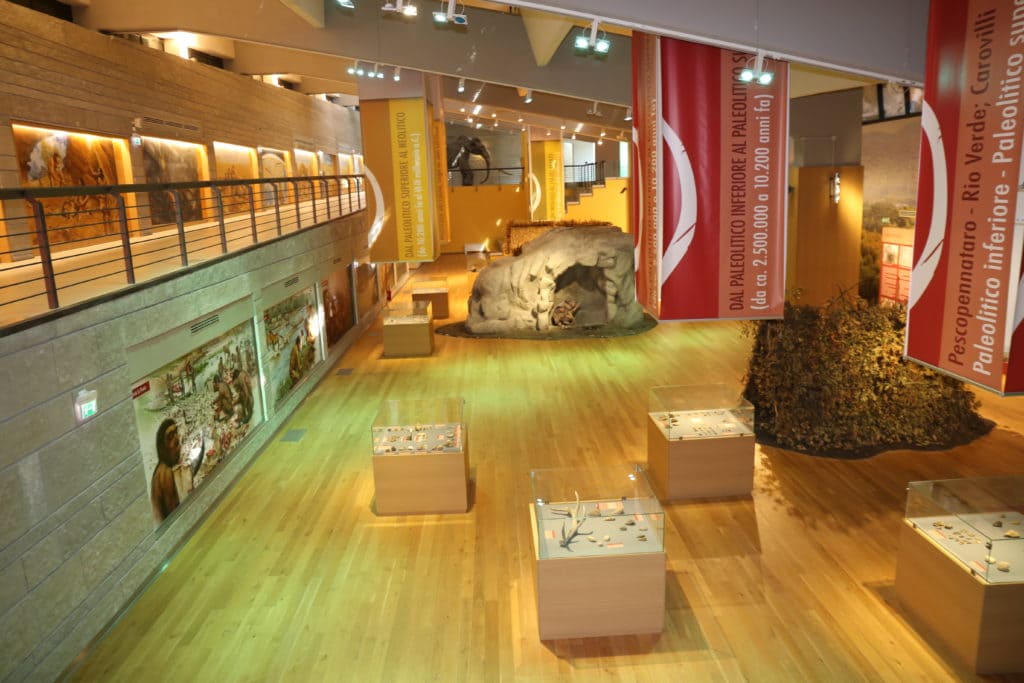
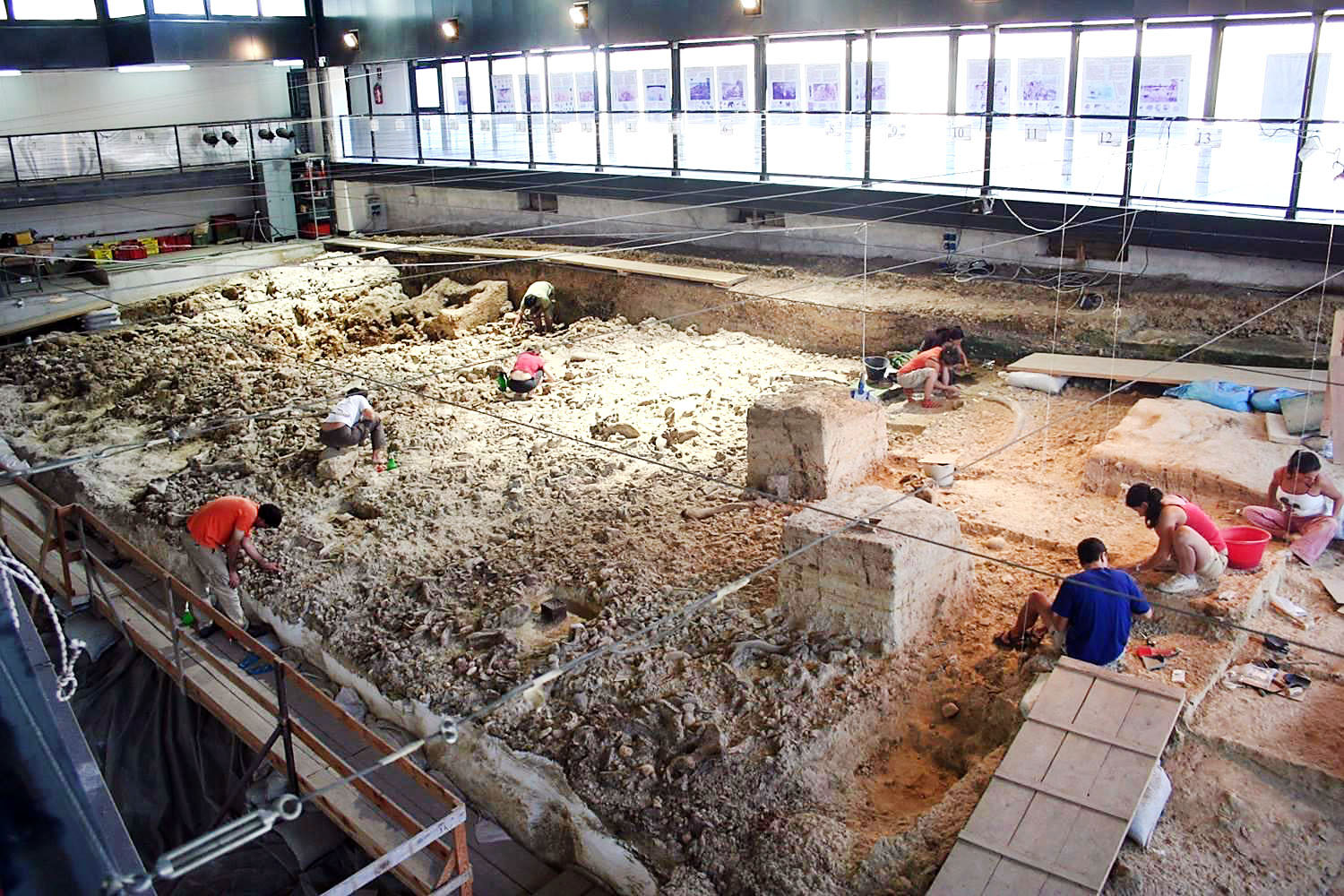
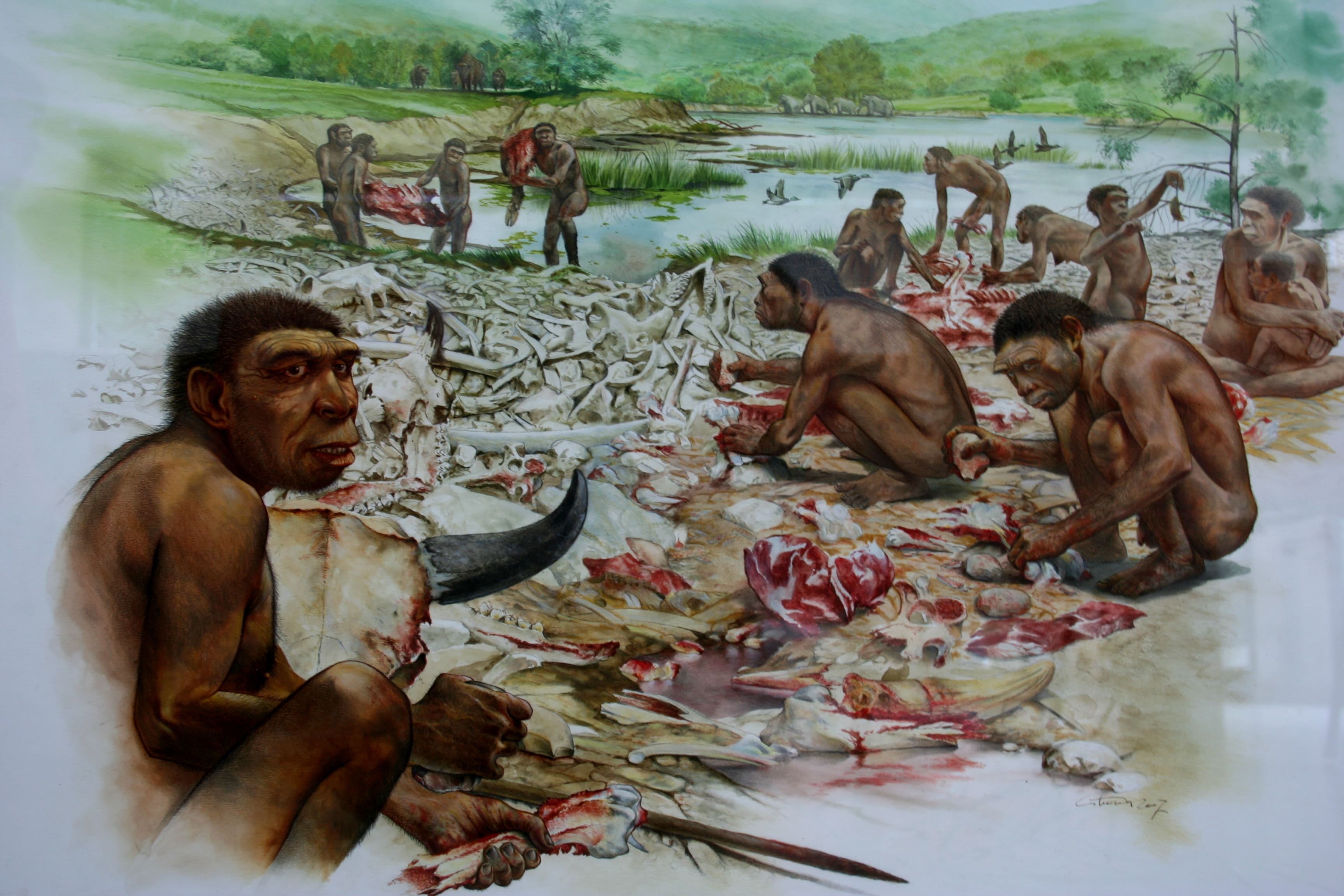
The National Paleolithic Museum is located in Isernia, nearby the excavation site called Isernia La Pineta. The prehistoric deposit was occasionally discovered in 1978 by Alberto Solinas, during the works for the construction of a link road for the SS 85. Due to the enormous quantity of artifacts found or still to be discovered, it is one of the richest paleosol and represents an exceptional documentation of the most ancient phases of the people of the European continent and constitutes a nodal point for the study of Italian and European prehistory.
Thinking about a possible project: a multilanguage chatbot for a museum!
Surfing on the internet and learning about Dialogflow.
Working on
the implementation of the chatbot and the website.
The chatbot is ready to be used and to interact with the users.
For the implementation of the chatbot I decided to start with the complete conversation design in one language, at first in English, and then translate all the intents and training phrases in Italian in order to have an exhaustive structure in both of them, providing the same kind of answers in the two implementations.
I started making a brainstorming and thinking which could be the most frequent questions for a potential visitor surfing on the Museum website and I decided to divide the possible interactions of the user into three macro-categories already at the beginning of the conversation: logistical information, notions about the museum and its archeological findings and some information about the virtual assistant.
Inside logistical information I thought it would be useful for a potential visitor to discover all about opening hours, days off, location, transport for joining the site, tickets price, latest info about Covid-19 and a lot more.
While from a more didactic point of view, I decided to provide the most interesting strength points of the Museum, such as the history of the discovery of the archeological site, the most interesting findings about Homo Aeserniensis, the Milk tooth and the discoveries about the natural landscape of the settlement with its animals and natural species.
After the basic implementation of textual interactions between the user and the chatbot I realized that the best platform for the realization of the chatbot is Dialogflow Messenger due to the abundance of rich responses that can be handled through the custom payload option: cards, links, images, chips for multiple choices and css customizations on the chat window.
I decided to integrate it into a website, as it could happen in the real museum website if it will be adopted in the future also by the reference Institution.
The rich responses I created have the purpose of generating a more exhaustive answer to the needs of the user and also redirecting more precisely the possible questions, suggesting the possible extension of the conversation.
They are task-oriented because help the chatbot in receiving mostly questions to things that are easy to handle and retrieve by the Artificial Intelligence.
Nonetheless, users are anyway able to formulate their own questions without following the suggested path by the machine.
I graduated in Humanities, Modern Curriculum, at the University of Milan and I am currently attending DHDK Master’s degree at the University of Bologna. I’ve been for so long mainly a Literature enthusiast, but now my personal interests expanded to Computational Linguistics, Natural Language Processing and Web technologies! I am really fascinated by the world of Natural Language Processing and its manifold applications, mostly on chatbots’ conversational design task and on Artificial Intelligence products in general.